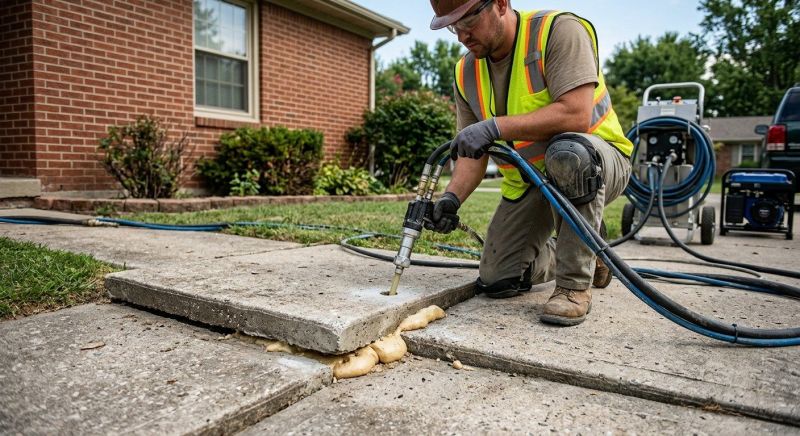
Void Filling in Denver, CO
Void filling services involve the process of safely and effectively filling gaps, holes, or empty spaces within walls, floors, or other structural elements of a property. This service is commonly requested for projects such as repairing damaged drywall, filling gaps around pipes or electrical fixtures, or restoring areas after renovation work. Homeowners often seek void filling to improve structural stability, prevent drafts, reduce noise, or prepare a space for finishing touches like painting or flooring. Before requesting void filling, property owners should consider the location and size of the space needing repair, as well as any underlying issues that may have caused the voids, to ensure the appropriate materials and methods are used.
Understanding the scope of the project is important for property owners considering void filling services. Clarifying whether the work involves small repairs or larger structural adjustments can help determine the best approach. Additionally, knowing the types of materials suitable for the specific application-such as foam, plaster, or insulation-can impact the durability and effectiveness of the repair. Property owners should also consider any existing building codes or regulations that may influence the process, especially for larger or more complex projects. Proper assessment and preparation can help ensure the void filling work enhances the safety, comfort, and integrity of the property.
Many property owners in Denver, CO look into Void Filling for repairs, replacements, upgrades, and appearance-related improvements.
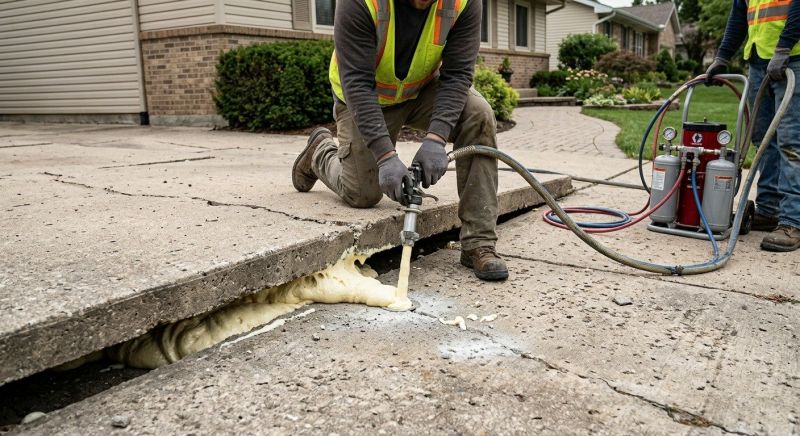
Void Filling Services
Examples of void filling work property owners may explore in denver, co.
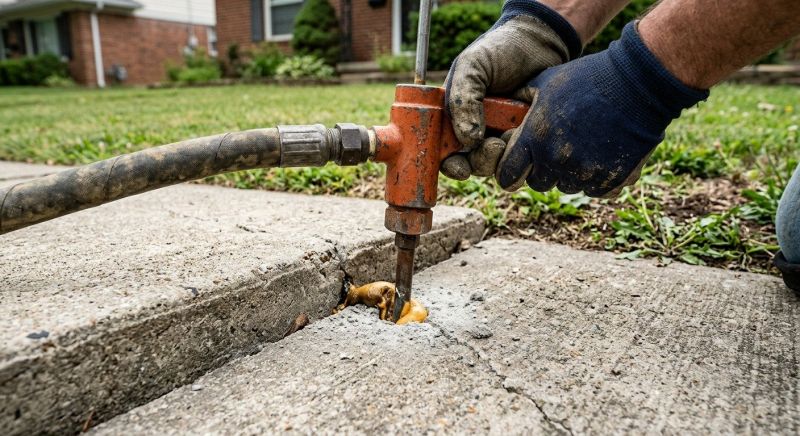
Void Filling Updates
Common ways people refresh, improve, or restore void filling features in denver, co.
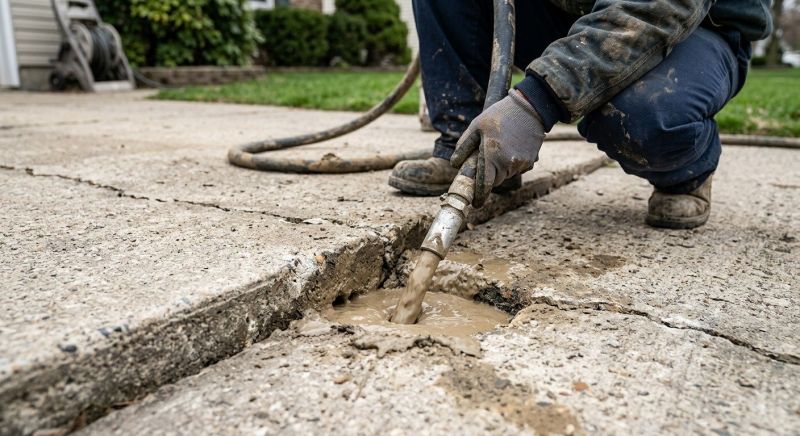
Void Filling Options
Different styles, layouts, and finishes people consider for void filling in denver, co.
Void Filling in Denver, CO
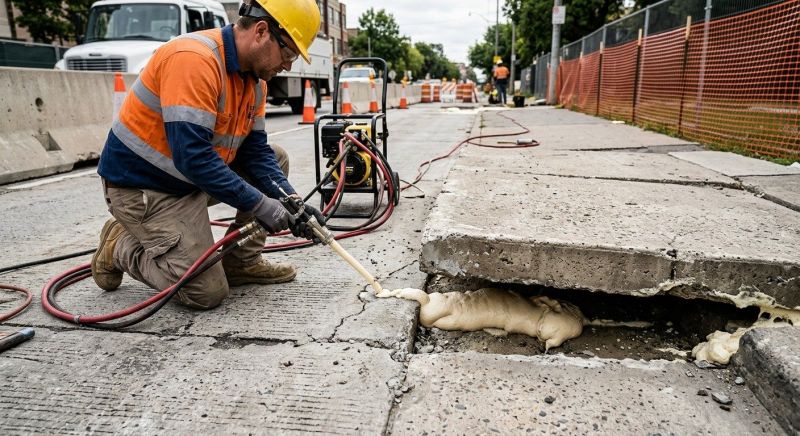
Void filling services involve the process of safely and effectively filling gaps, holes, or empty spaces within walls, floors, or other structural elements of a property. This service is commonly requested for projects such as repairing damaged drywall, filling gaps around pipes or electrical fixtures, or restoring areas after renovation work. Homeowners often seek void filling to improve structural stability, prevent drafts, reduce noise, or prepare a space for finishing touches like painting or flooring. Before requesting void filling, property owners should consider the location and size of the space needing repair, as well as any underlying issues that may have caused the voids, to ensure the appropriate materials and methods are used.
Understanding the scope of the project is important for property owners considering void filling services. Clarifying whether the work involves small repairs or larger structural adjustments can help determine the best approach. Additionally, knowing the types of materials suitable for the specific application-such as foam, plaster, or insulation-can impact the durability and effectiveness of the repair. Property owners should also consider any existing building codes or regulations that may influence the process, especially for larger or more complex projects. Proper assessment and preparation can help ensure the void filling work enhances the safety, comfort, and integrity of the property.
Many property owners in Denver, CO look into Void Filling for repairs, replacements, upgrades, and appearance-related improvements.
Common Void Filling Jobs
Void Filling Services - filling gaps around windows and doors to improve insulation and energy efficiency.
Foundation Void Filling - stabilizing and supporting uneven or settling foundations to prevent further shifting.
Basement Void Filling - sealing empty spaces in basements to reduce drafts and improve overall comfort.
Wall Void Filling - filling cavities within walls to enhance soundproofing and thermal performance.
Chimney Void Filling - sealing empty spaces in chimneys to prevent drafts and moisture intrusion.
Crawl Space Void Filling - filling gaps in crawl spaces to prevent pest entry and improve air quality.
Void Filling Questions
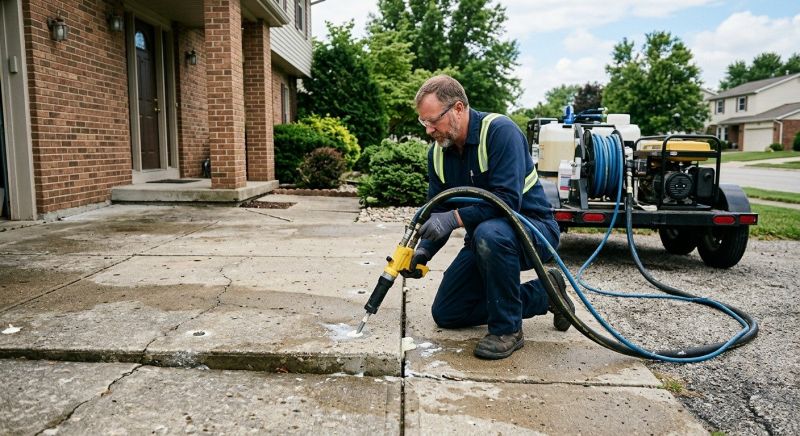
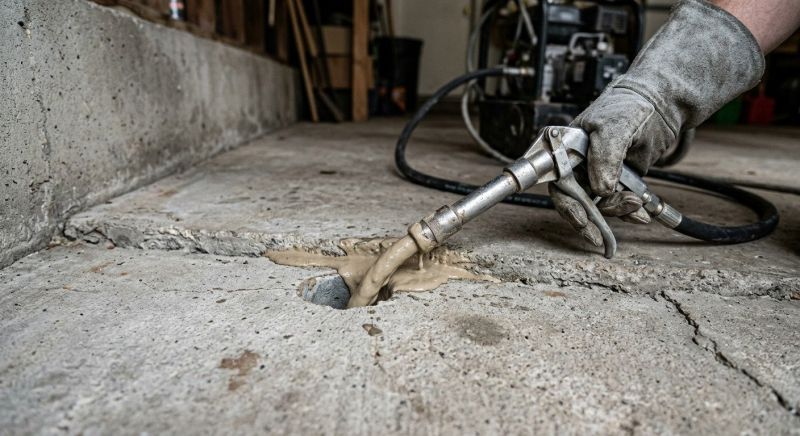
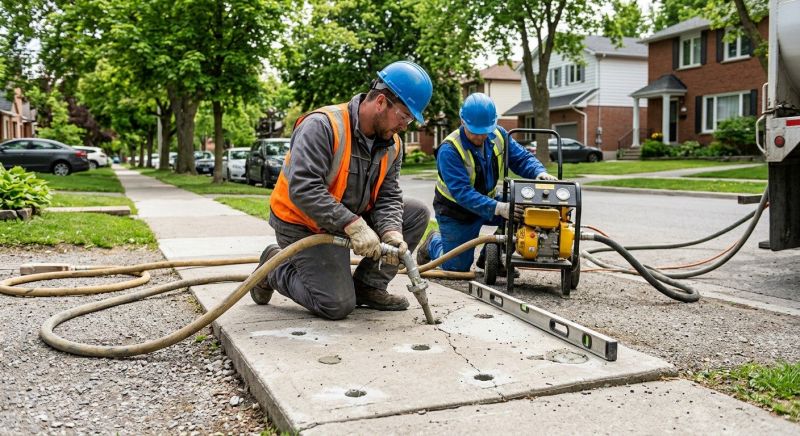
What is void filling used for? Void filling is used to stabilize and support structures by filling gaps or empty spaces beneath foundations, slabs, or other surfaces.
Which projects typically require void filling? Common projects include foundation repairs, concrete slab leveling, and backfilling around new construction or existing structures.
What materials are used for void filling? Materials such as foam, grout, or specialized fill mixes are often used to effectively fill and support voids.
Is void filling suitable for residential properties? Yes, it is frequently used to address issues with uneven floors, settling foundations, or to reinforce structural stability in homes.
Request Void Filling in Denver, CO
Use the quote form on this page to share the basics of your project and request more information for the type of work you need.